Dental Student Killed in Qazvin: Ownership of Women’s Bodies and Lives, and Institutional Failure to Respond to Warning Signs
By: Rezvan Moghaddam
On June 1, 2026 (11 Khordad 1405), a 24-year-old dental student was shot and killed inside the Dental School of Qazvin by her former intimate partner and classmate. The case has raised serious concerns about gender-based violence, coercive control, and the failure of university authorities to act on prior warnings.
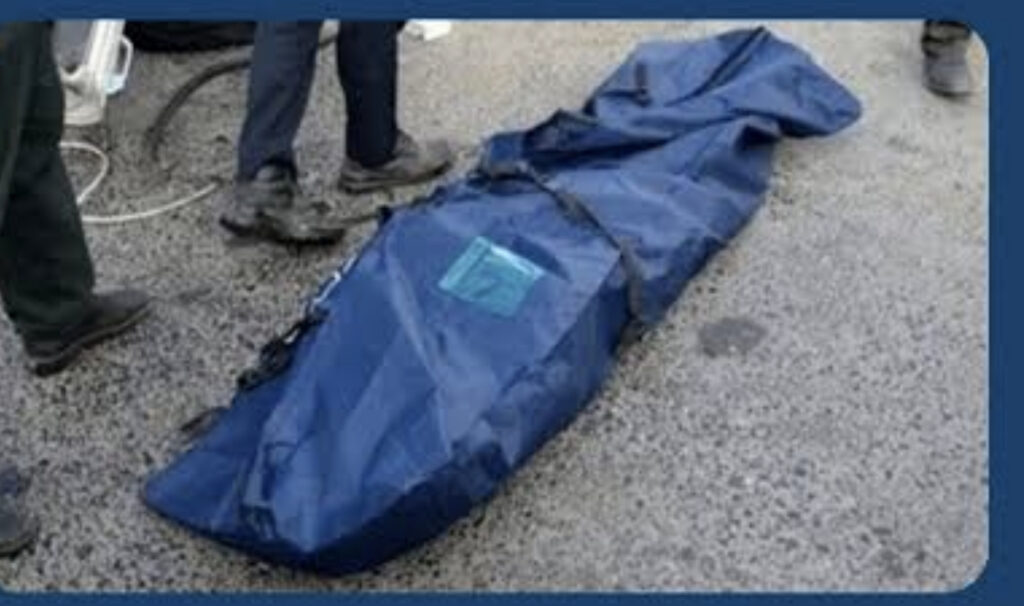
In the early morning of June 1, 2026 (11 Khordad 1405), a final-year male dental student entered the treatment clinic of Qazvin Dental School carrying a handgun and opened fire on a female classmate. According to official reports, four bullets struck the victim in the chest, killing her at the scene. The perpetrator subsequently turned the weapon on himself and died from a self-inflicted gunshot wound.

Judicial authorities and state-affiliated media have described the incident as the result of “personal” or “family disputes” following the breakdown of a romantic relationship. While the existence of a prior relationship may be factually relevant, such descriptions fail to address the broader dynamics that often underlie lethal violence against women.
The central question is not whether the two individuals had a relationship, but why the termination of that relationship resulted in the murder of a young woman.
From a gender and sociological perspective, this case reflects a pattern frequently observed in acts of femicide and intimate partner violence: the belief that a woman does not have the right to make independent decisions about her own life and relationships. When a woman chooses to end a relationship, some men interpret that decision not as an exercise of personal autonomy but as a challenge to their authority, control, or perceived ownership.
This mindset is often summarized by a dangerous and deeply rooted belief: “If she cannot be mine, she cannot belong to anyone else.” Such thinking transforms rejection into a perceived humiliation and can escalate into retaliatory violence.
Psychological research on intimate partner homicide indicates that these crimes are often driven not by love, but by a combination of possessiveness, coercive control, fear of abandonment, wounded entitlement, inability to cope with rejection, and poor conflict-resolution skills. Individuals who commit such acts frequently struggle to accept the autonomy of their partners and may view separation as an intolerable loss of power and identity.
Particularly troubling in this case are reports indicating that the victim had previously expressed concerns about potential physical harm from the perpetrator and had allegedly shared those concerns with university officials and campus security. If these reports are accurate, the case raises important questions regarding institutional responsibility and risk management.
Were the victim’s concerns formally documented? Was a threat assessment conducted? Were preventive measures taken to protect her? Were any restrictions imposed on the individual perceived as a threat? And why did an institution capable of closely monitoring students’ personal conduct fail to respond effectively to warnings involving a potential threat to life?
International research on femicide consistently identifies stalking, threats, obsessive monitoring, coercive control, and violence following separation as among the strongest warning signs preceding lethal attacks. Ignoring these indicators can significantly increase the risk of tragedy.
This case should not be reduced to a “relationship dispute” or a “personal conflict.” Rather, it highlights the intersection of gender-based violence, possessive attitudes toward women, and the failure of institutions to adequately protect individuals who report threats to their safety.
As long as women’s right to leave relationships without fear of retaliation is not fully recognized and protected, and as long as warnings of violence are not treated with the seriousness they deserve, similar tragedies will continue to occur.
#Femicide
#ViolenceAgainstWomen
#GenderBasedViolence
#IntimatePartnerViolence
#WomenHaveTheRightToChoose
#EndViolenceAgainstWomen
#CoerciveControl
#StopFemicide
#JusticeForWomen
#SayNoToGenderViolence